Share Article
Why do I need to prove I’m eligible to work in the UK?
If you’ve been looking for work in the UK, you’ll notice that agencies and employers ask for your ID to prove who you are and whether you’re eligible to work in the UK. Many of our candidates are asking us the same questions about this, so we’ve pulled together a quick Q & A to help answer some of the common questions we get asked.
What is an ID Check and why do I need to provide documentation?
Temporary Worker ID checks
Under UK Governments Regulation 19, we are obliged to confirm your identity before introducing or supplying you to employers that we support. Read more about this regulation by visiting the government’s website
Permanent Placement ID checks
Although the Conduct Regulations only require us to confirm your identity when introducing you for roles with vulnerable people, we treat all candidates equally and make it part of our service to check the ID of all candidates we introduce to employers.
Is an ID check the same as a right to work check?
No, an ID check is not the same as a right to work check. An ID check confirms proof of name and address. The right to work check is a separate check to confirm your right to work in the UK to make sure we’re complying with immigration rules in the UK.
What can I use to prove my ID?
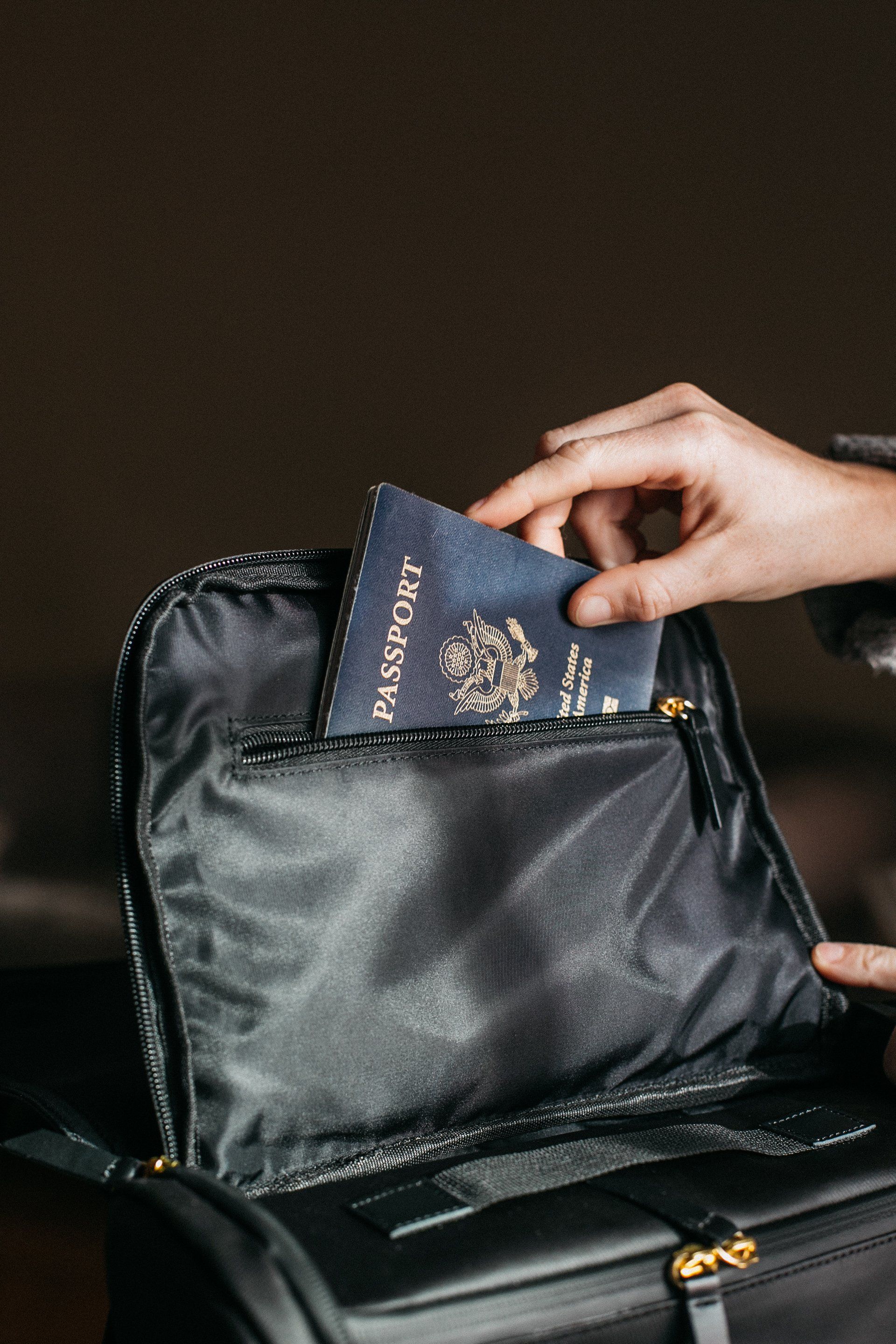
There is a long list of documents that you can use to prove who you are. For example you can use your Passport and and a copy of a household utility bill with your name and address on. Here is a full list of documents that you can use Proof of identity checklist – GOV.UK (www.gov.uk)
Why do I need to provide my Right to Work documentation?
Prior to the pandemic, all Right to Work (RTW) checks had to be carried out face-to-face.
As a temporary measure brought in during the pandemic, the Home Office allowed employers to carry out RTW checks over video call and to accept scanned documentation (as opposed to having face-to-face checks and then copying and retaining original documents, as was the pre-pandemic requirement). This temporary measure ended on 30 September 2022.
Temporary Worker proof of right to work
Legally we are the ‘employer’ of temporary workers in line with Section 15 of the Immigration, Asylum and Nationality Act 2006. So we have the legal responsibility to check your eligibility to work in the UK regardless of nationality. From 1 October 2022, we will check your RTW papers face to face and will need to see original documents, which we will copy and retain the copy to comply with this legislation.
Permanent Placement proof of right to work
Under our Terms of Business with the companies we work with, it is our responsibility to check your eligibility to work in the UK.
We check the right to work status on all work seekers we support. This is the best way to make sure that we comply with immigration and equality law and treat all applicants fairly at each stage of the recruitment process.
To find out more about proving immigration status visit this link
What documents can I use to prove my right to work in the UK?
There’s a list of documents that can be used to prove your right to work in the UK on the government’s website. For example this could be your passport (current or expired) showing you’re a British citizen or a citizen of the UK and Colonies having the right of abode in the UK; or current Immigration Status Document issued by the Home Office with an endorsement indicating that you are allowed to stay indefinitely in the UK.
If you are unsure just get in touch with us and we’ll be able to let you know what documents you can use to prove your identity and right to work status. Give us a call on 01782 338787.