
Share Article

November 10, 2016

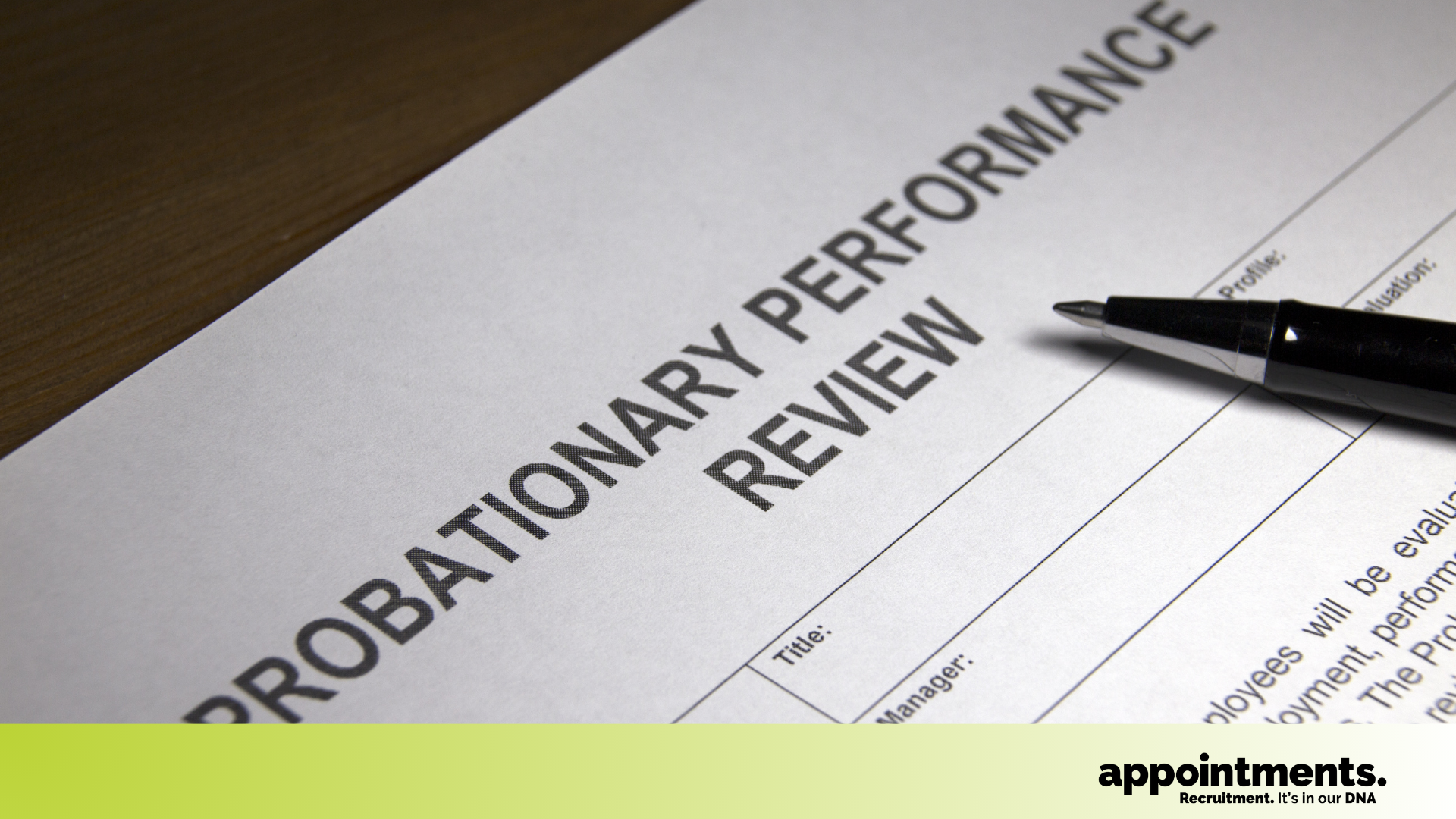
How to pass your probationary period with flying colours

You’ve landed your dream job – well done! But now you’re faced with the prospect of having to prove to your new employer that you’re every bit as good as you said you were at interview during the probationary period.


Probationary periods are nothing new, however in the past five years we’ve seen an increase in length from some companies who now ask new employees to work for a period of as long as six months to prove their up to the job and that the first few weeks aren’t just beginners luck.


Nine times out of ten you’ll have nothing to worry about during your probationary period, but it’s a wise move to follow our top tips to ensure that you show your new boss that they made the right decision when hiring you.


Be on time


Punctuality is a big thing for employers, and if everyone else can make it to the office on time then so can you. As soon as you accepted the job you should have researched how you were going to make it to work in good time, so don’t try and make the excuse that the route was unfamiliar as it won’t go down well.


Show you’re a perfect fit


Employers don’t just hire you because you can do the job, they also need a new employee that will gel well with the rest of the team. Make it one of your daily tasks during your probationary period to get to know your new colleagues and show your new employer that you’re a good fit with the existing team.


Go all out


You obviously impressed the employer during your interview, but now’s the time to prove that you’re capable of being just as impressive in the workplace. Use your probationary period to showcase just how good you are at your job and you’ll be setting yourself up for career progression later on down the line.

By Kerry Bonfiglio-Bains June 13, 2026
A probation process only protects you if you run it properly. Use this SME checklist to self-audit yours before the 2027 unfair dismissal changes land.
By Kerry Bonfiglio-Bains June 12, 2026
Unfair dismissal rules change on 1 January 2027. Find out why the staff you hire before July 2026 are already affected, and how to get ready now.
By Kerry Bonfiglio-Bains June 8, 2026
From January 2027, a bad hire carries far more legal risk. A structured 15-minute pre-screen call is one of the simplest ways to protect your SME.
By Kerry Bonfiglio-Bains April 22, 2026
A practical guide covering interview preparation, structured questioning, and the mistakes most SMEs don't realise they're making during interviews.
By Kerry Bonfiglio-Bains April 22, 2026
A 2026 UK guide to legal and unlawful interview questions for SMEs, covering the Equality Act 2010, what you can and can't ask, and what it costs to get it wrong.
By Kerry Bonfiglio-Bains March 20, 2026
A practical guide to salary reviews in 2026. Understand pay structures, National Living Wage impacts, benchmarking, and how to avoid inconsistency.
By Kerry Bonfiglio-Bains February 25, 2026
Statutory Sick Pay, maternity pay and payroll thresholds increase from April 2026. See the new SSP rates, family leave payments, Lower Earnings Limit and what UK employers must update now.
By Kerry Bonfiglio-Bains February 24, 2026
UK National Minimum Wage and National Living Wage rise in April 2026. Check the new hourly rates, payroll cost impact, common compliance risks and what employers must do now to stay compliant.
By Kerry Bonfiglio-Bains February 23, 2026
Small Business UK Employment Law Checklist 2026. Review contracts, SSP, flexible working, harassment duties, ACAS compliance and minimum wage updates to reduce legal risk.
By Kerry Bonfiglio-Bains February 21, 2026
How to prevent workplace sexual harassment under UK law. Understand the strengthened preventative duty, “all reasonable steps” requirement, third-party risk and employer compliance in 2026.
More Posts