
Share Article

November 21, 2022

How to Write the Ultimate Covering Letter

While cover letters may seem outdated, many employers still require them. Skipping this step can make you seem careless or unable to follow instructions.


Here's how to craft the perfect cover letter:


Getting Started


Format and Key Points: Match your experience with the job description. Include your full name, address, phone number, and email and skip your date of birth.


Personalize: Use the hiring manager’s name if available and include the job title in the subject line.


First Paragraph


  • Explain why the role interests you and why you’d be a good fit.
  • Mention your relevant experience briefly. For instance: "I’m interested in this role as I have 3+ years of experience in a similar position and want to advance my career."
  • It’s also a good idea to talk about your future career goals and how you see this position aiding you in achieving them.


Highlight Key Information


In the second paragraph, align your skills and qualifications with the job description. Highlight achievements and relevant experience from previous roles. Keep it concise with two to three paragraphs.


Closing Paragraph


Avoid explaining why you’re leaving your current job. Instead, wrap up by expressing your eagerness to discuss your qualifications further. For example: "I have attached my CV and look forward to discussing how my skills can benefit your team. Feel free to contact me with any questions."


Finally, sign off professionally and wait for a response.


By following these guidelines, you’ll provide exactly what employers are looking for in a cover letter.

By Kerry Bonfiglio-Bains June 13, 2026
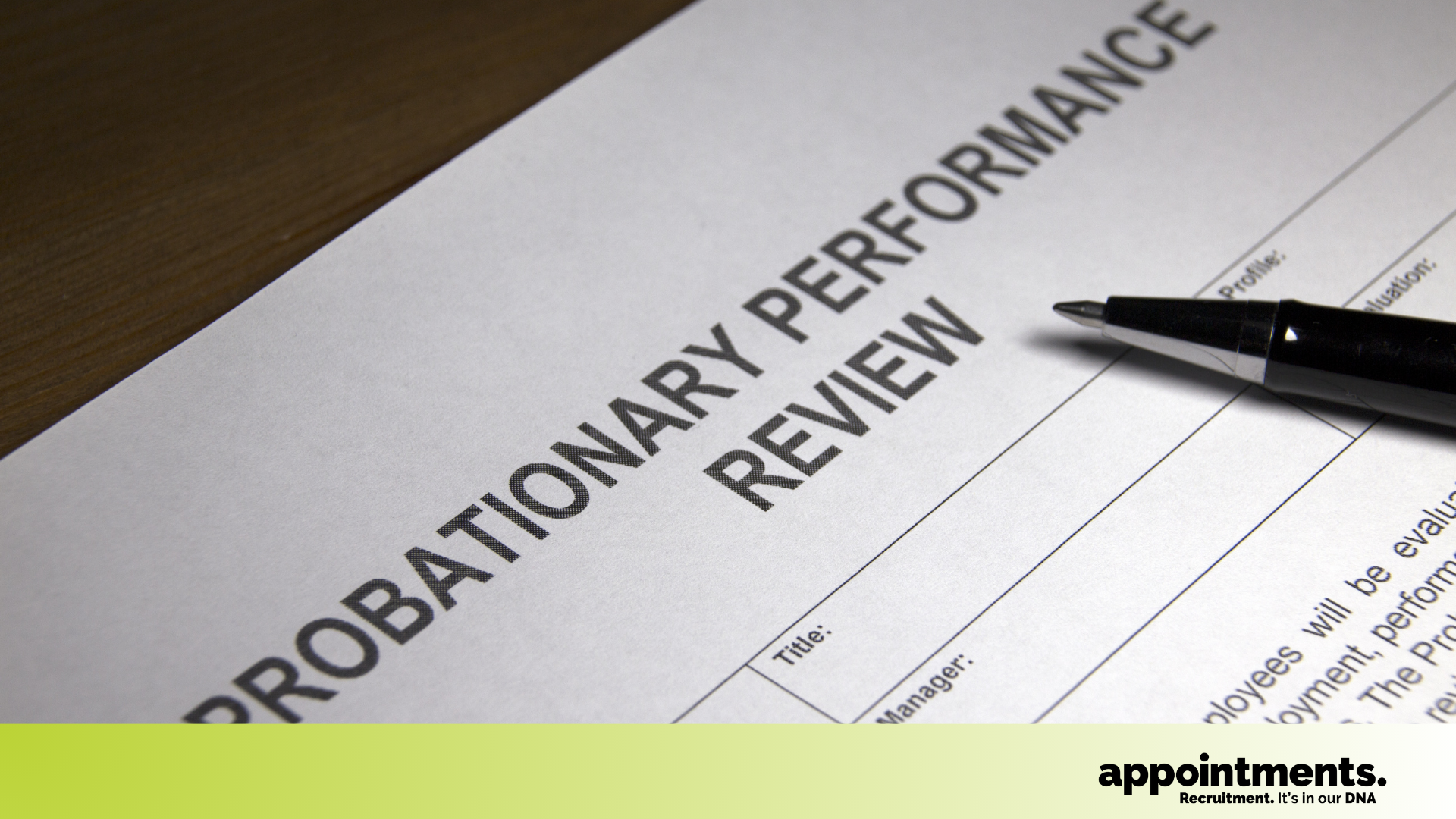
A probation process only protects you if you run it properly. Use this SME checklist to self-audit yours before the 2027 unfair dismissal changes land.
By Kerry Bonfiglio-Bains June 12, 2026
Unfair dismissal rules change on 1 January 2027. Find out why the staff you hire before July 2026 are already affected, and how to get ready now.
By Kerry Bonfiglio-Bains June 8, 2026
From January 2027, a bad hire carries far more legal risk. A structured 15-minute pre-screen call is one of the simplest ways to protect your SME.
By Kerry Bonfiglio-Bains April 22, 2026
A practical guide covering interview preparation, structured questioning, and the mistakes most SMEs don't realise they're making during interviews.
By Kerry Bonfiglio-Bains April 22, 2026
A 2026 UK guide to legal and unlawful interview questions for SMEs, covering the Equality Act 2010, what you can and can't ask, and what it costs to get it wrong.
By Kerry Bonfiglio-Bains March 20, 2026
A practical guide to salary reviews in 2026. Understand pay structures, National Living Wage impacts, benchmarking, and how to avoid inconsistency.
By Kerry Bonfiglio-Bains February 25, 2026
Statutory Sick Pay, maternity pay and payroll thresholds increase from April 2026. See the new SSP rates, family leave payments, Lower Earnings Limit and what UK employers must update now.
By Kerry Bonfiglio-Bains February 24, 2026
UK National Minimum Wage and National Living Wage rise in April 2026. Check the new hourly rates, payroll cost impact, common compliance risks and what employers must do now to stay compliant.
By Kerry Bonfiglio-Bains February 23, 2026
Small Business UK Employment Law Checklist 2026. Review contracts, SSP, flexible working, harassment duties, ACAS compliance and minimum wage updates to reduce legal risk.
By Kerry Bonfiglio-Bains February 21, 2026
How to prevent workplace sexual harassment under UK law. Understand the strengthened preventative duty, “all reasonable steps” requirement, third-party risk and employer compliance in 2026.
More Posts